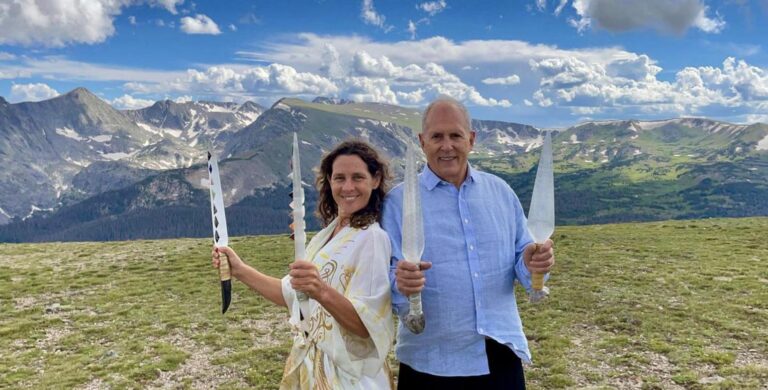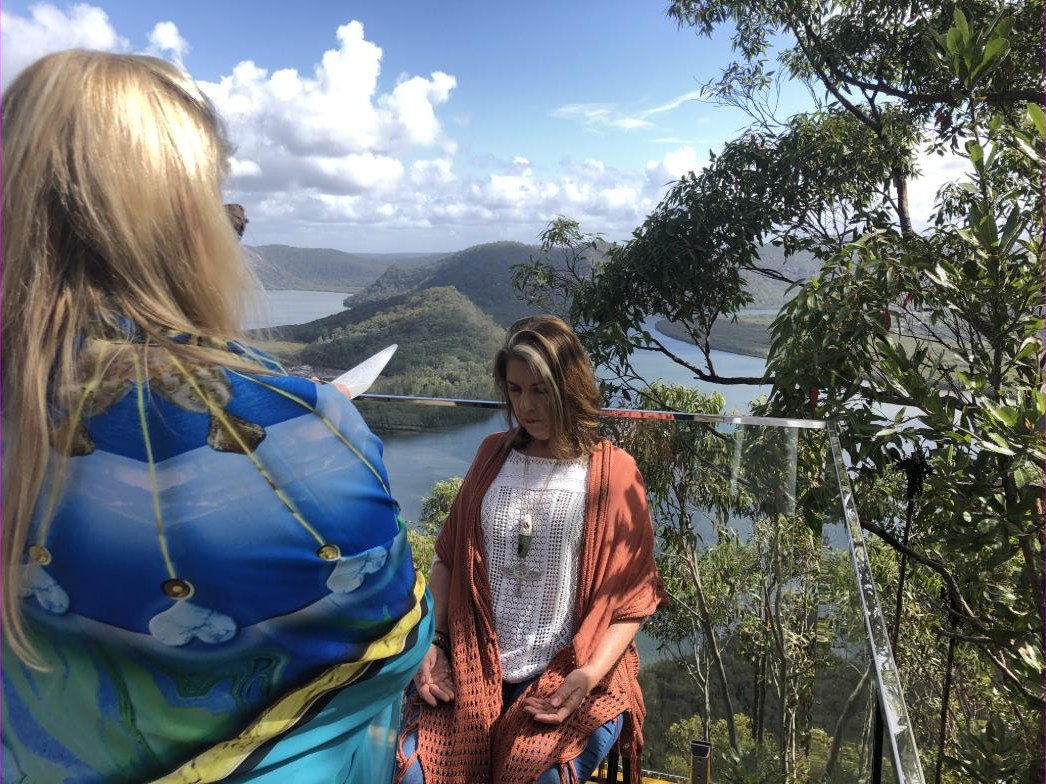
Caring for a selenite sword in the Australian climate
Selenite is gypsum — a soft, water-soluble mineral. That is what gives the blade its translucency, and it is also why an Australian home is full of ordinary things that can quietly ruin one. None of this is superstition; all of it is chemistry.
Water, in every form
Gypsum dissolves in water. A rinse under the tap etches and dulls the surface, and the damage does not come back. That includes damp cloths, moon-water, salt water — and, for those of us on the coast, sea air. A sword that lives in a beach house wants a room away from the salt spray, not a windowsill facing the break.
The sun
Prolonged direct sunlight can dull the translucency over time, and the Australian sun is not gentle. Out of direct sun, always. A parked car in summer is the worst of both worlds — heat and light in a sealed box.
Everything harder than a fingernail
Selenite is Mohs 2, softer than your own nail. It scratches against almost anything, including other crystals. Carry it by the handle with the blade supported, keep it off hard surfaces, and never let it share a bag with other stones.
Cleaning
A dry, soft cloth — microfibre or clean cotton — along the grain of the blade. Nothing wet, no polish, no oil.
Travelling
A sword cannot go in cabin baggage — Australian screening rules treat a sword as a sword regardless of what it is made of, and it will be surrendered at the gate. A Mohs-2 blade loose in an aircraft hold is not much better. If it has to cross the country, courier it in rigid packaging, or drive it.
The full guide, including storage and what to do about a mark that will not lift, is on our care and handling page.